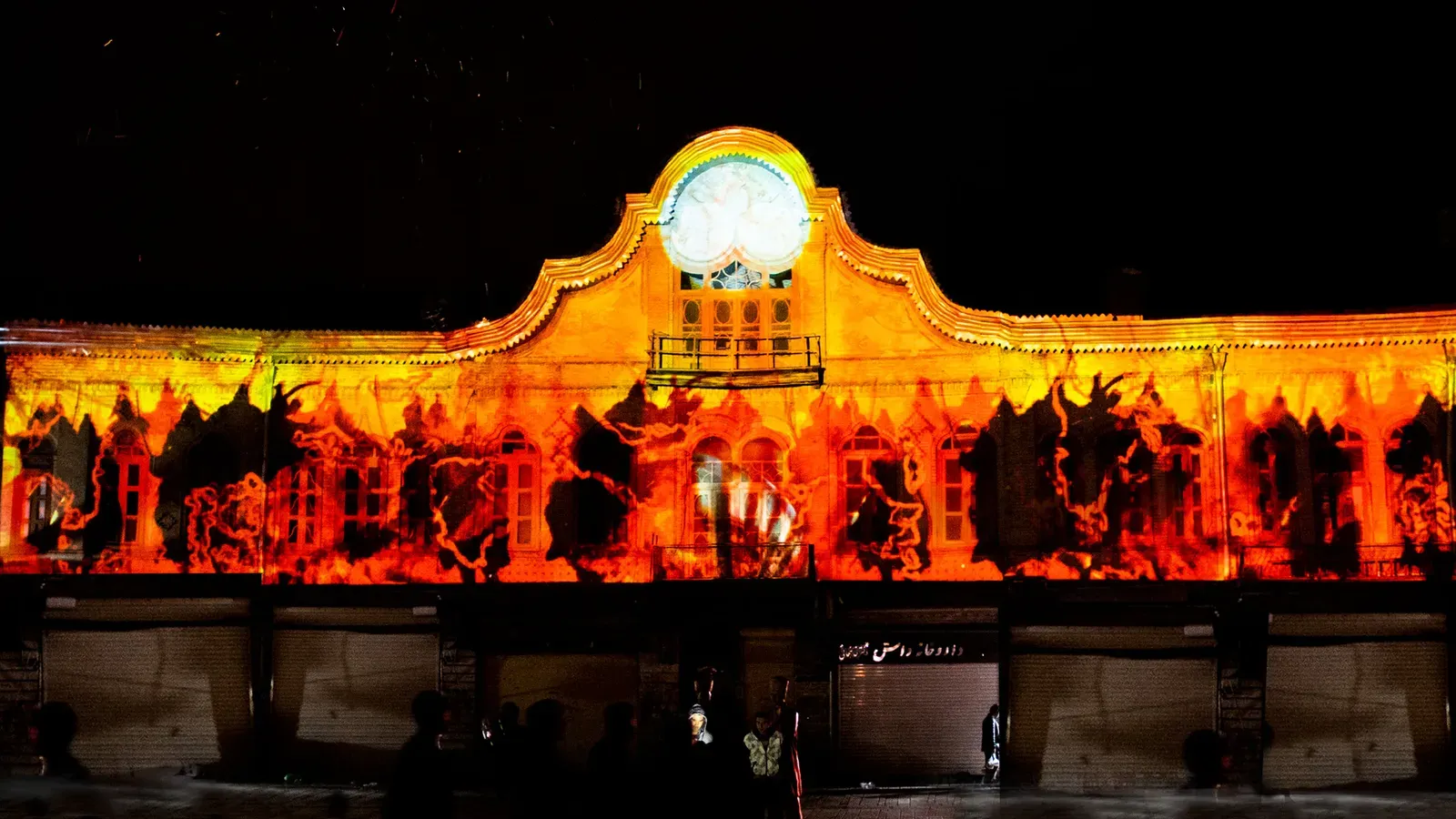

Projection Mapping
Projection mapping, or video projection mapping, also referred to as 3D lighting, is a technique for creating imagery and displaying films and animations in three dimensions on all kinds of surfaces. In fact, in video mapping, the image is displayed on a flat surface…
What is projection mapping?
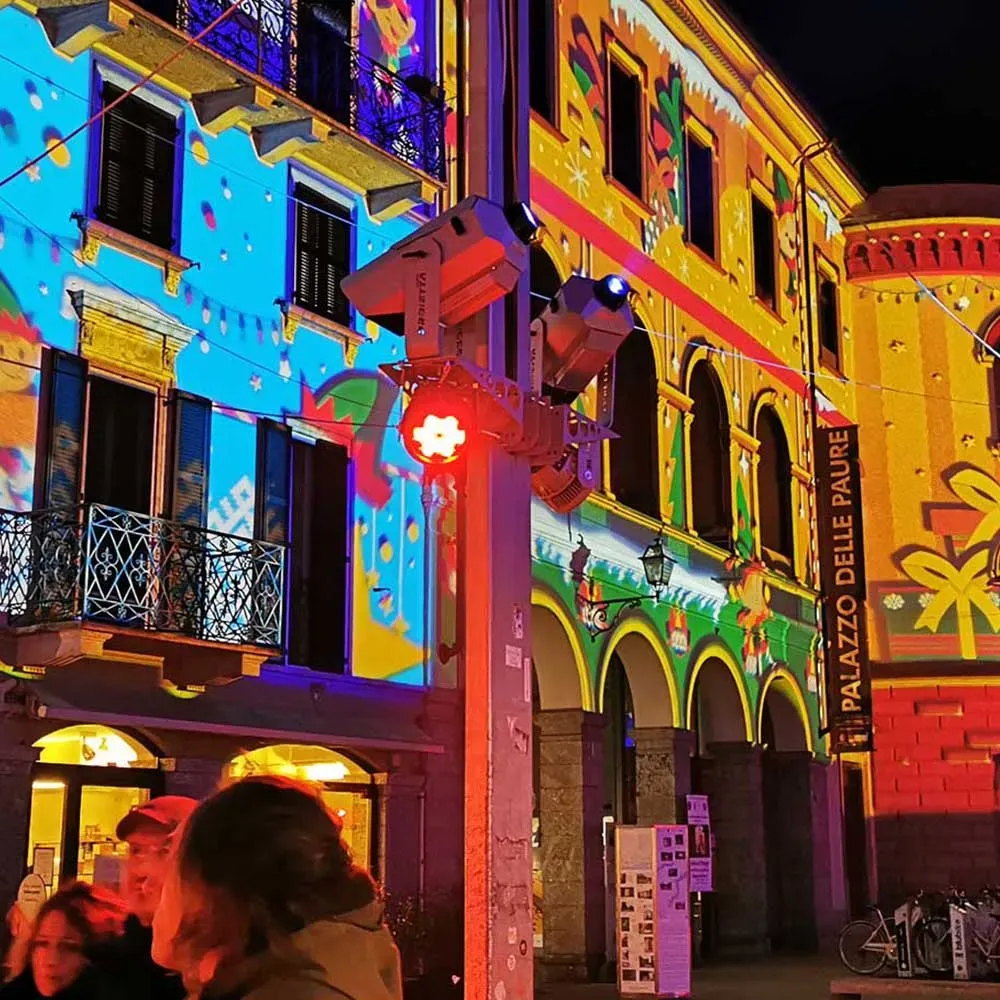
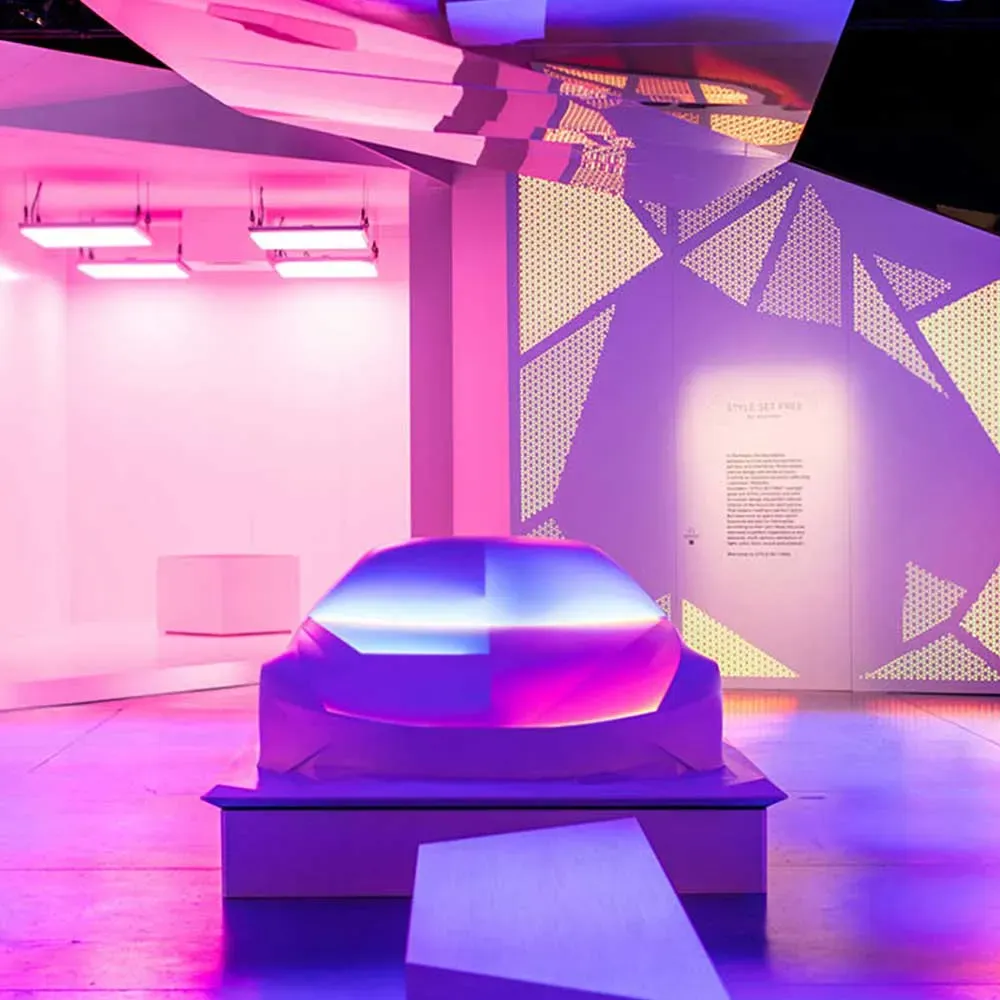
Projection mapping, or video projection mapping, also referred to as 3D lighting, is a technique for creating imagery and displaying films and animations in three dimensions on all kinds of surfaces. In fact, in video mapping, the image is not displayed on a flat surface; rather, it is projected onto objects. Through this technique, volumes and unconventional surfaces can be transformed into video display surfaces.
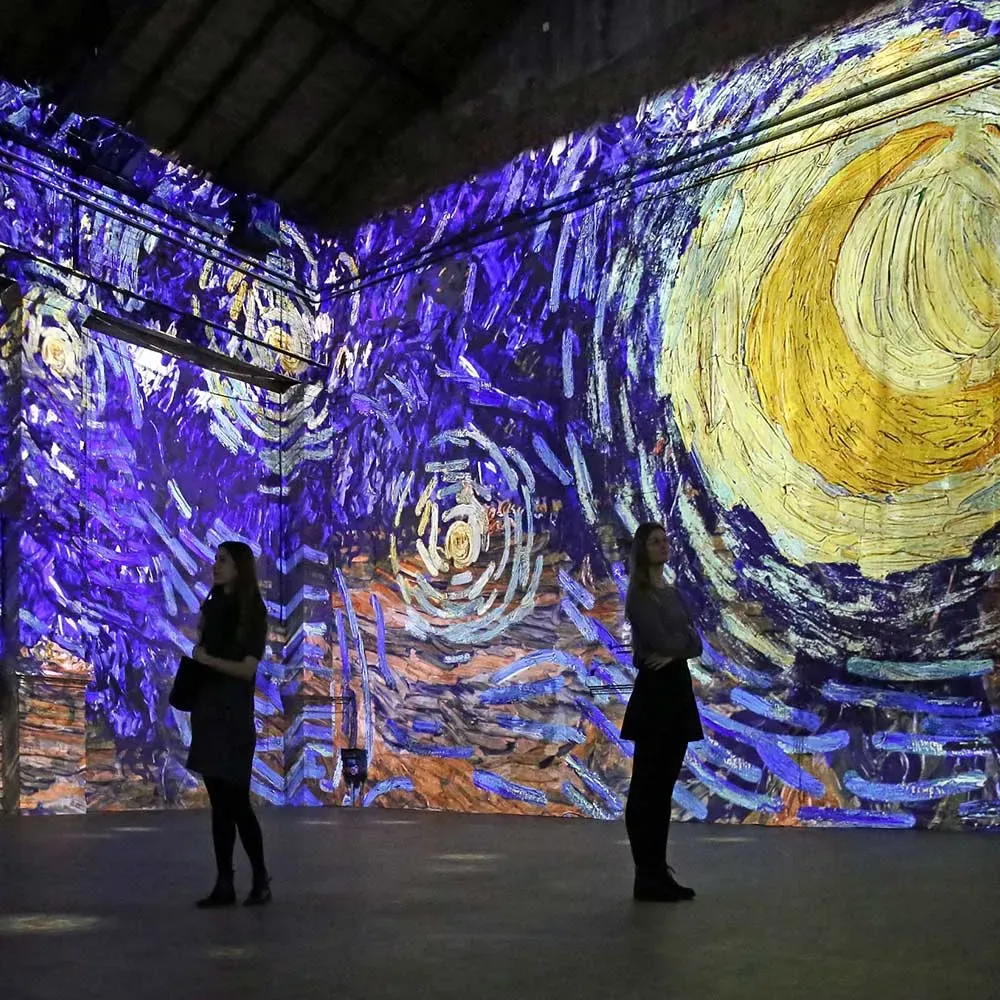
A video projection mapping display can be accompanied by sound and music. These surfaces may include complex industrial surfaces, stage sets, commercial décor, interior spaces, or building façades. In projection mapping, one or more projectors combined together cast images onto objects. Virtual two-dimensional or three-dimensional images are then realistically rendered onto these surfaces through software and hardware. By controlling the projector, the software can align and play the images with high precision according to the volumetric surfaces.
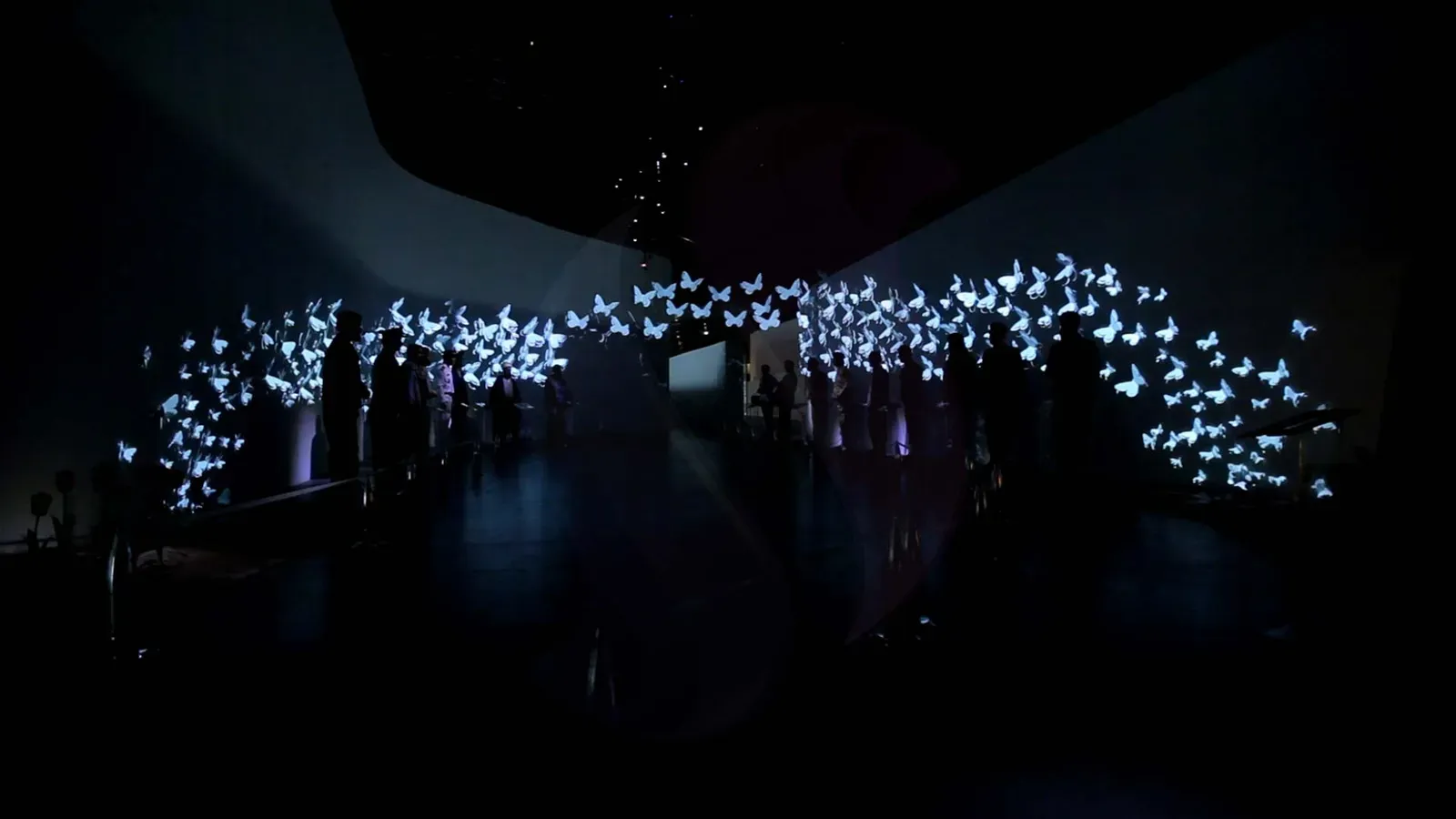
Artists use this technique to create depth and moving optical illusions in order to attract audiences, as well as to introduce a specific brand or its products. A key feature of this technique is that it is specifically designed and programmed for a defined building surface, and the three-dimensional visuals are designed and produced according to a clear narrative, then synchronized with light, sound, and music to create an artistic work within a short period of time.
PROJECTION MAPPING
If you want your brand to be seen on a global stage, get in touch with FORESEEN’s team of experts.
History of video mapping
The history of this art form goes back many years. Even so, video mapping can still be considered one of the emerging phenomena. One of the earliest projects using this technique in history was the opening of Disneyland’s Haunted Mansion in 1969.
In this projection mapping example, the singers’ heads were first filmed separately on 16 mm film and then projected onto the heads of the statues, making visitors to the haunted house think that the statues were singing. 11 years later, in 1980, the second projection mapping project in history was recorded by Michael Naimark.
Over time, and with advances in technology, Disneyland’s projection mapping project became one of the pioneers of video mapping worldwide. It also succeeded in 1991 in obtaining, for the first time, the patent for “Apparatus and Methods for Projection Upon Three-Dimensional Objects.” General Electric also secured in 1994 the patent for “a system and method for overlaying computer images onto a real object with the same features in a real space.”
Over time, the art of three-dimensional lighting took on a more serious form and also attracted academic attention. In 1998, for example, individuals such as Ramesh Raskar, Greg Welch, and Henry Fuchs registered the “Office of the Future” invention. The Office of the Future projected images of two different locations within an office onto its walls, giving employees the feeling that colleagues from the other office were right beside them.
Practical features of video projection mapping
Video mapping provides a platform that allows you to transform your visuals from two-dimensional to three-dimensional without any rendering or set-building operations. Projecting images from a projector onto very large and tall objects such as buildings creates the impression that the building itself is moving and changing. This powerful medium also allows you to display a demo of a designed façade directly on a building before carrying out architectural projects such as building façade design.
Other applications of video mapping include its use in sports venues. In many advanced countries, the use of printed advertising media such as stickers and banners has become obsolete, because video mapping not only makes it possible to simulate all advertising media, but also to change and update them at any moment.
Below, we introduce several features and uses of video mapping:
- The ability to make real-time changes to the project’s content presentation
- Cost-effectiveness compared with other advertising methods
- The ability to carry out mapping on all products regardless of physical or structural complexity
- Easy introduction of the brand and products and making them memorable in the minds of audiences
With years of experience in designing and executing various projection mapping projects in dimensions tailored to the needs of different businesses, FORESEEN Advertising Group is ready to provide the services you need. Please contact our experts for requests or any questions.
Factors affecting projection mapping
Various factors affect the successful execution of a video projection mapping project. These factors include the installation site, the required hardware, the animation, and the execution itself. Each of these factors can have a significant impact on delivering an excellent projection mapping project. Below, we review each of these factors.
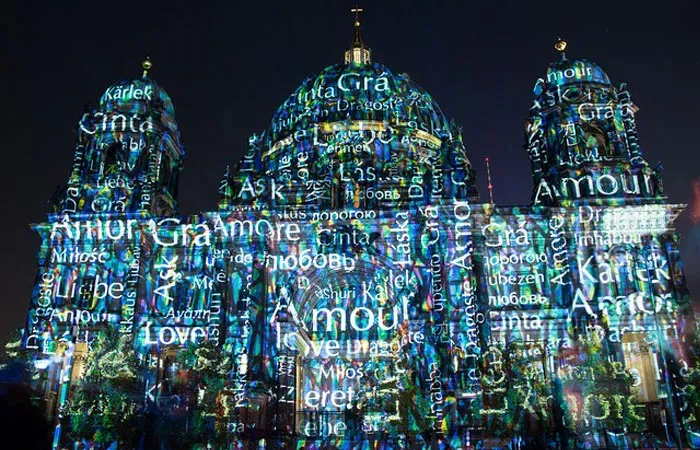
FORESEEN specializes in the design and execution of video mapping projects. As the first step in a video projection mapping project, after selecting the installation site and the target surface for light processing, it begins the necessary studies and research. There are no limitations in selecting this surface.
All surfaces—whether natural, such as mountains and trees, or architectural, whether classical, historical, or modern, and regardless of material—as well as complex industrial surfaces such as machinery, vehicles, or any other physical element, can be illuminated attractively through video mapping.
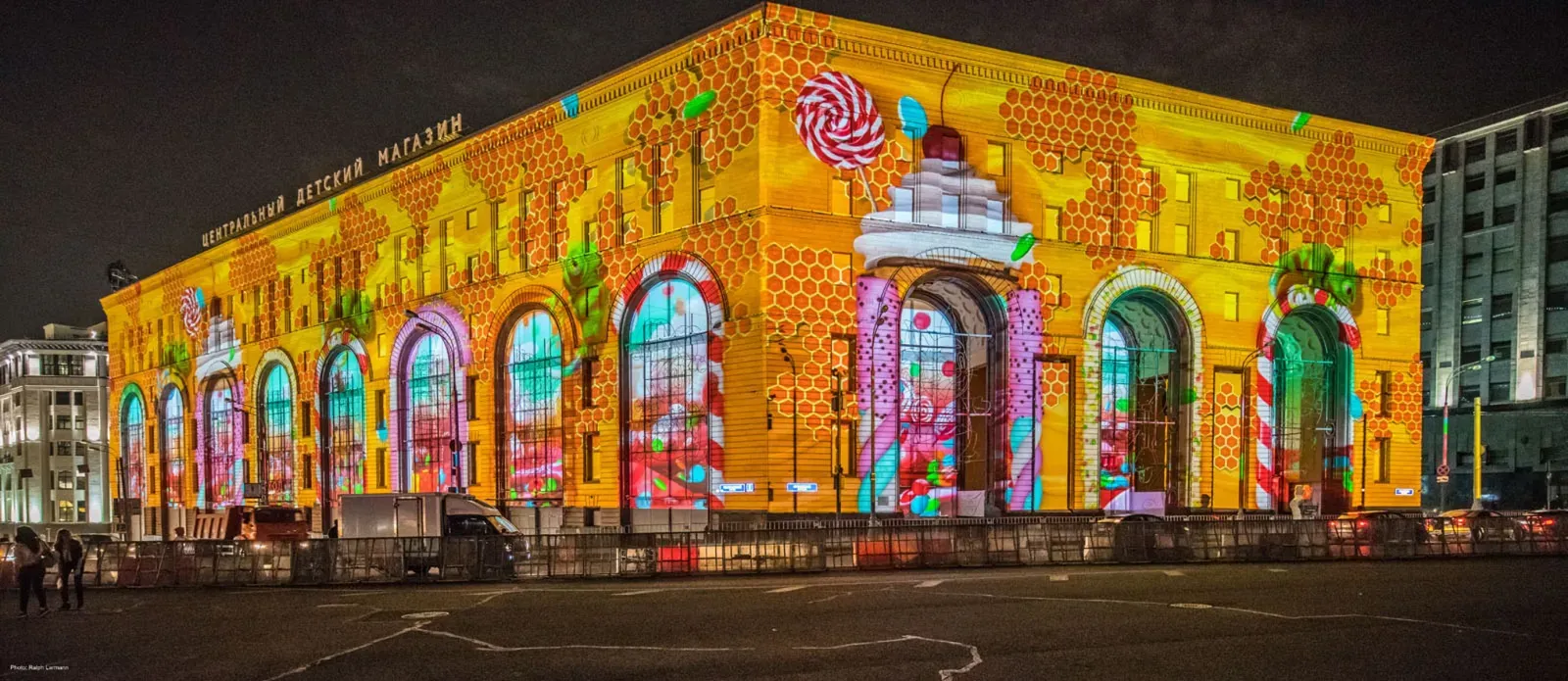
Depending on the target surface, the complexity of animation production, execution, and hardware planning will vary. For example, the difficulty of carrying out mapping on a natural surface such as a mountain is not comparable to executing it on a building. Experience shows that the factors involved in mapping after selecting the location and surface, and relating to the surrounding environment, include light and noise pollution, the horizontal distance to the mapped surface, and most importantly, the dimensions of that surface.
All of the above directly determine the appropriate hardware for execution and the project’s final price.
Hardware factor
This factor is divided into the following items:
Video projector: Based on the scale of the video mapping execution, FORESEEN selects several of the best-suited video projector models for the project.
Sound system: Obviously, a projection mapping project without sound and proper sound design would be incomplete. Using a sound system with sufficient power, suitable for the audience and providing adequate audio coverage, is one of the elements that enhances the appeal of the execution.
Computer: The required computer(s) must have sufficient graphics capability to run relatively heavy animations, because more than one video projector device—sometimes up to six—may need to be connected to a single computer.
Hardware installation and setup equipment: To ensure safe and stable installation of the video and audio hardware, after estimating the number of devices, we will need special tables and stands to place them on. These stands are set up depending on whether the installation is temporary or permanent. Stands intended for permanent installation must be waterproof, theft-resistant, positioned at high elevation, and built with special protective features to prevent dust penetration.
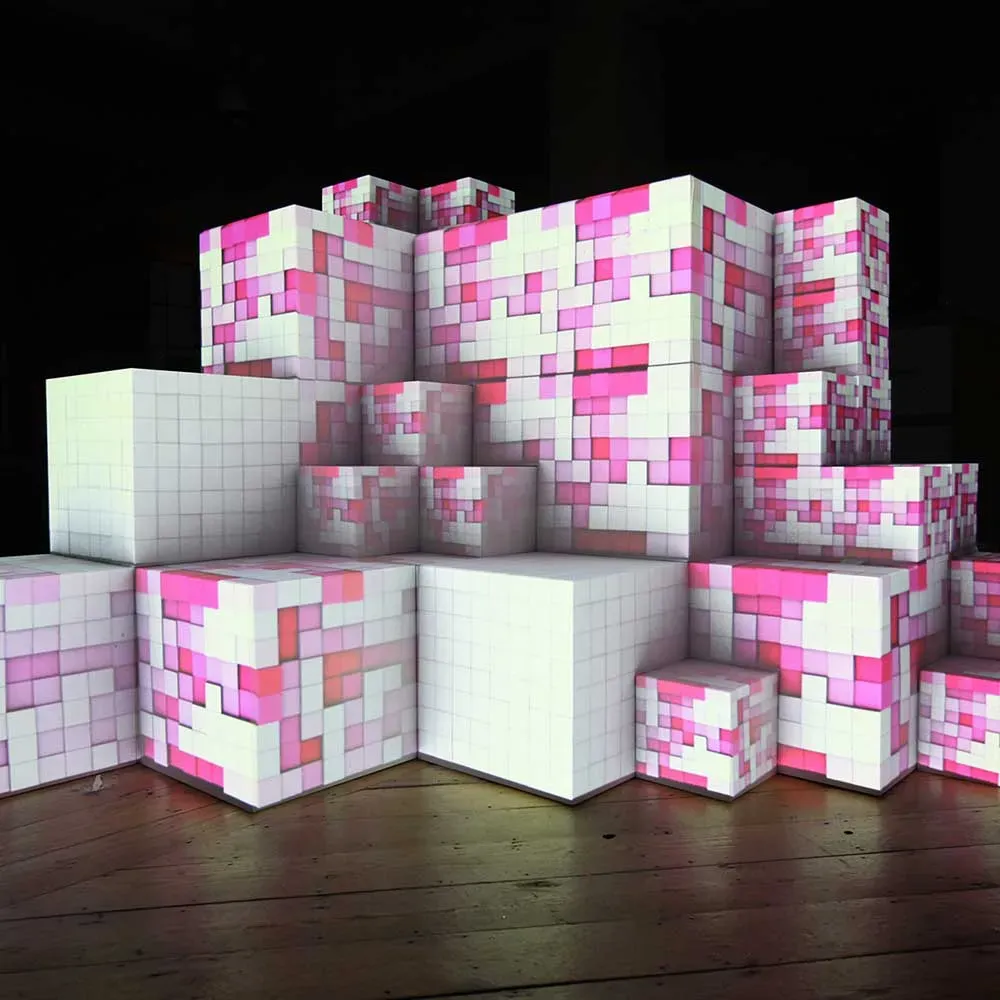
Animation factor in projection mapping
After determining the surface and selecting the devices, the animation production stages begin, which are generally divided into the following sections:
Positioning the video projector(s): Depending on the dimensions of the target surface, the number of video projectors and their placement are determined using software.
Photography and filming: At this stage, highly precise photography and filming of the designated location are carried out by FORESEEN’s technical and specialist team, and the animation will be created based on these very images.
Scenario presentation: Simultaneously with the positioning and filming of the installation site, a scenario is prepared by the group’s art and graphics team and presented to the client. The factors involved in this scenario include the duration of the animation, the video mapping venue, geographical and natural conditions, the region, handicrafts and culture, national or religious occasions, and many other conditions, all of which are carefully considered and studied by the team during the animation production process.
Animation production: Taking the client’s comments into account, the scenario is finalized after 2 to 3 rounds of revisions, and the company’s graphics team becomes ready to produce the animation. After each stage, depending on the number of minutes, the completed animation is reviewed by the client so that any minor changes can be made to the project if necessary. The animation production process is entirely similar to producing a short cinematic film and possesses all the characteristics of a film.
Execution factor
This factor is carried out in three phases: the testing phase and the main execution phase.
- Trial execution: Before the main execution, 1 to 3 nights of trial execution are required in order to adjust the devices and eliminate any possible weak points. During this stage, FORESEEN’s operators will definitely be present.
- Main execution: This phase itself consists of two types: temporary execution and permanent execution
- Temporary execution: In this type of execution, the equipment is set up for each night of operation and dismantled at the end of the execution. Operators are required to remain stationed beside the devices to ensure security, as well as to switch the system on and off and run the animation.
- Permanent installation: For this type of implementation, all equipment is installed permanently at the intended location. Special waterproof and anti-theft enclosures, along with strong supports of greater height than usual, will be built for this purpose. These enclosures will house all hardware, including the video projector, sound system, computer, etc.
- In a permanent installation, the computer is programmed using specialized software so that it starts the presentation at a specific time and ends it at a set time. Naturally, with this method, no physical presence of an operator is required apart from the initial setup. Please note that the computer must be connected to the internet so that the company’s technical team can troubleshoot any potential issues through specialized software.
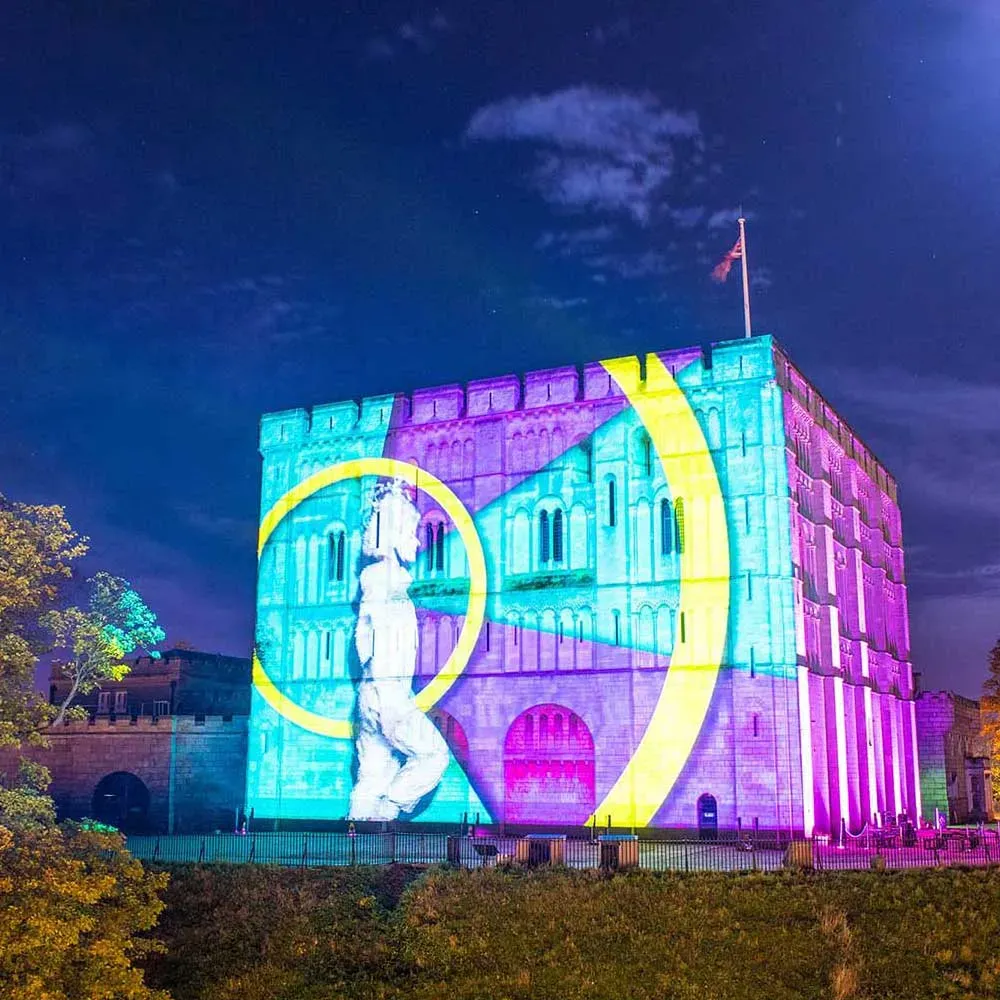
Examples of video projection mapping
If you would like to request the product or obtain information, fill out the form below so that our experts can contact you
Frequently Asked Questions
Contact us for any type of consultation
Need help? Talk to a specialist
- 09195120186
Short link https://foreseen.ir/?p=974
Video portfolio
Image gallery
Frequently asked questions
In what environments can projection mapping be implemented?
It can be implemented in any environment, depending on the customer’s order (building facades, conferences for unveiling a new product, etc.)
What should the ambient lighting be like in a video mapping project?
To achieve the desired result, an indoor environment requires relatively low light, and for outdoor execution it must be carried out at night.
Who creates the animation for the video mapping project?
FORESEEN, due to its specialized production of animation and television commercials, has a strong team of animators based within the company and uses this specialized team to create the animation for video mapping projects.
Is it possible to implement video mapping for displaying small products as well?
Yes, it can even be implemented for displaying a product measuring 50 × 50 cm. The only requirement is that the product should have varying dimensions.