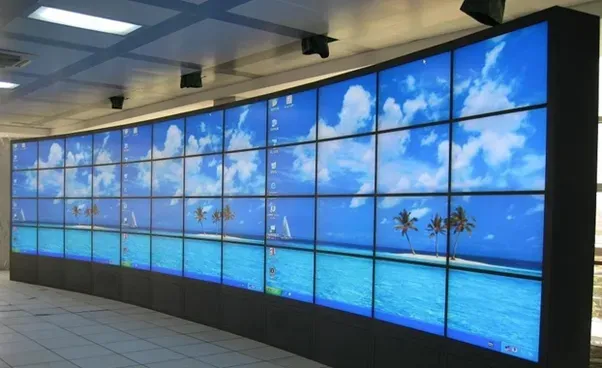
Video Wall Dot Pitch
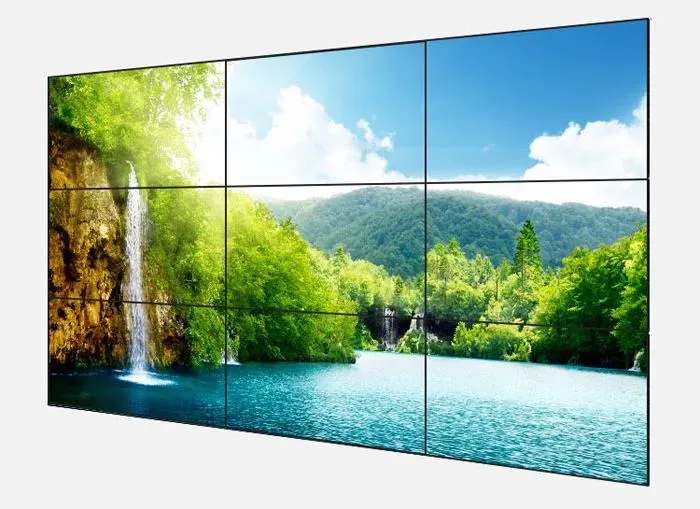
A video wall is a collection of multiple displays that work together in coordination and as a single integrated system to show a larger, higher-quality image or video.
FORESEEN collection video wall product
A video wall is a collection of multiple displays that work together in coordination and as a single integrated system to show a larger, higher-quality image or video.
Description
These displays, which may include LCD or LED monitors or special projectors, are connected together to form one large display surface. Due to their size and special capabilities, video walls are used in places where visual content needs to be shown in high quality and on a large scale.
If you want your brand to be seen on a global platform, get in touch with FORESEEN’s team of experts.
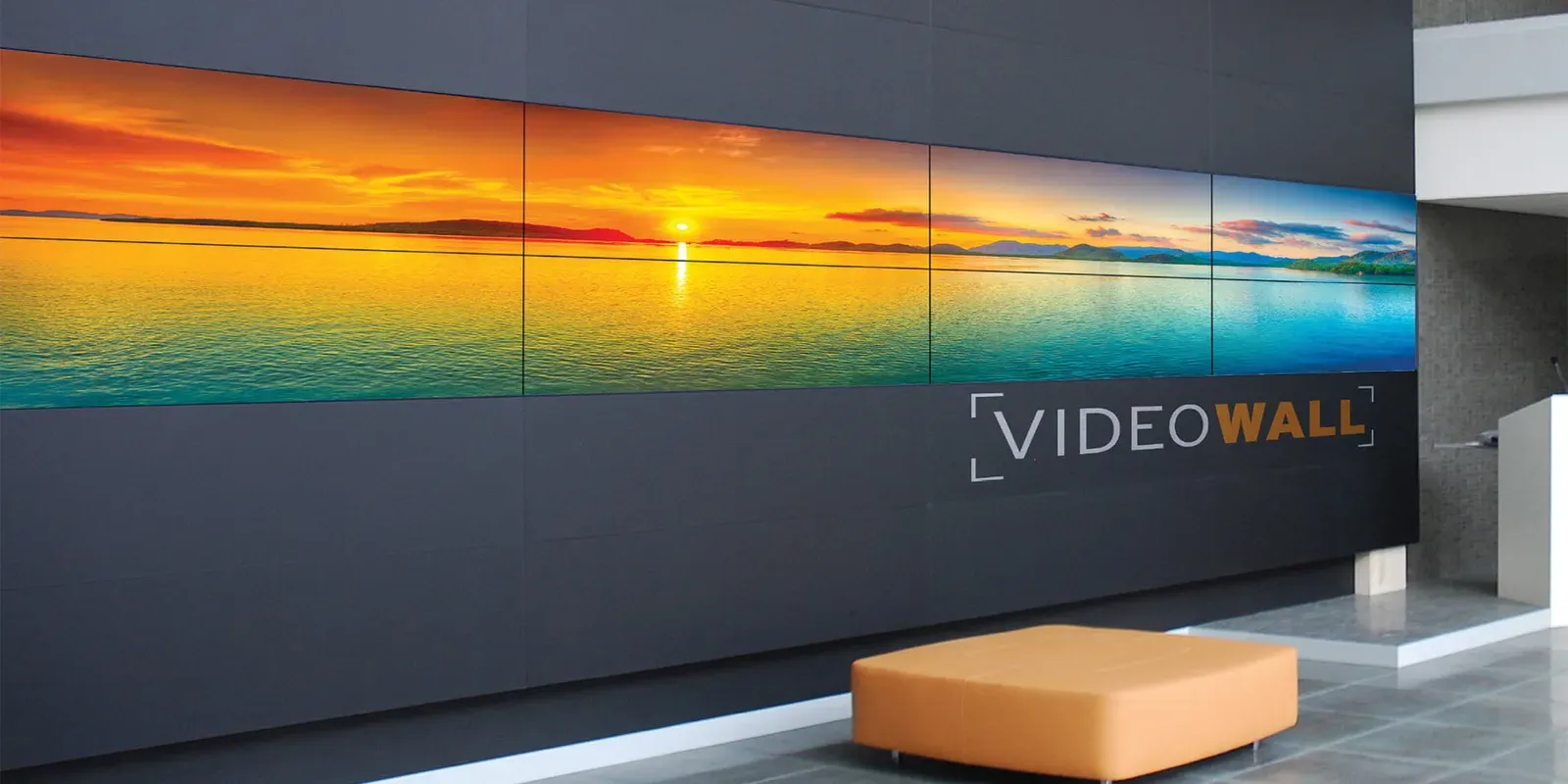
Thanks to their unique capabilities, video walls are used across many industries and for a variety of applications. Below are some of the main uses of video walls.
- Control and monitoring centers:In control centers such as city monitoring rooms, emergency centers, security systems, and traffic control centers, video walls are used so that multiple video sources can be viewed and managed simultaneously on one large screen.
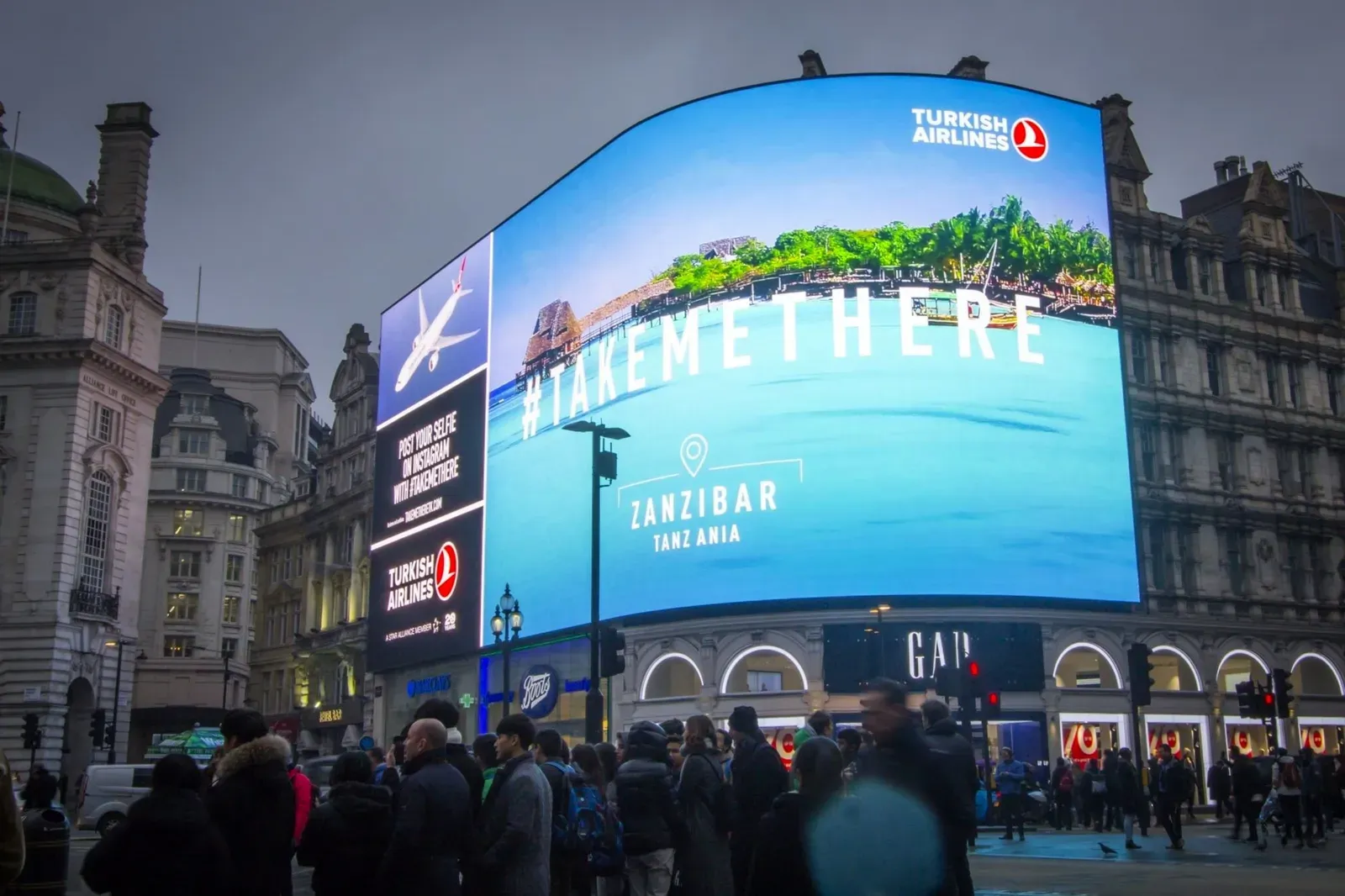
- Advertising:Because of their visual appeal and large size, video walls are among the most effective tools for advertising. This technology is highly effective in public spaces, shopping centers, exhibitions, and special events, helping advertising messages reach audiences in a striking way.
Other applications of video walls
In addition to the cases mentioned above, these systems also offer various other applications for their users, which we will review and introduce below. These applications include:
- Airport displays:In large stores and commercial centers, video walls are used as a tool to attract customers and showcase products.
- Events and conferences:At seminars, conferences, and large events, video walls are used as the main display for showing slides, videos, and live content.
- Entertainment and leisure:Video walls are used in cinemas, concerts, and amusement parks to provide audiences with an exceptional visual experience.
- Use in educational centers and virtual learning:In educational environments, video walls are used to display learning content and conduct online classes.
- Urban and outdoor advertising:Video walls are used in public spaces such as squares, metro stations, airports, and shopping centers to display advertisements. By attracting viewers’ attention, these displays play an effective role in conveying advertising messages.
All of these are part of the applications of video walls in different locations. Depending on your needs, you can contact the consultants at FORESEEN Advertising Group and request free advice from them.
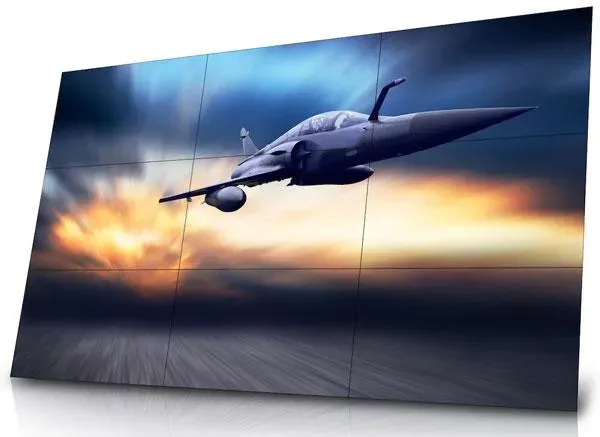
Advantages of video walls
Using video walls in advertising offers many advantages that can have a significant impact on the success of advertising campaigns. Some of these advantages include:
Greater attention: The large dimensions and high image quality of video walls make advertising messages easy to notice. This technology is especially effective in public and crowded spaces. Flexibility in displaying different types of content: Video walls make it possible to display various kinds of advertising content, including videos, motion graphics, and interactive content. This flexibility allows advertisers to present their messages in a more creative and effective way. Stronger message retention: The large, detailed images shown on video walls can leave a greater impact on viewers and make the message more memorable. Fast content updates: When there is a need to change or update advertising messages, video walls allow content to be changed quickly and easily, which is one of the major advantages of this technology. High visual impact: The combination of light, color, and motion in video walls can create an engaging and immersive experience for the audience, which is highly effective in advertising performance.
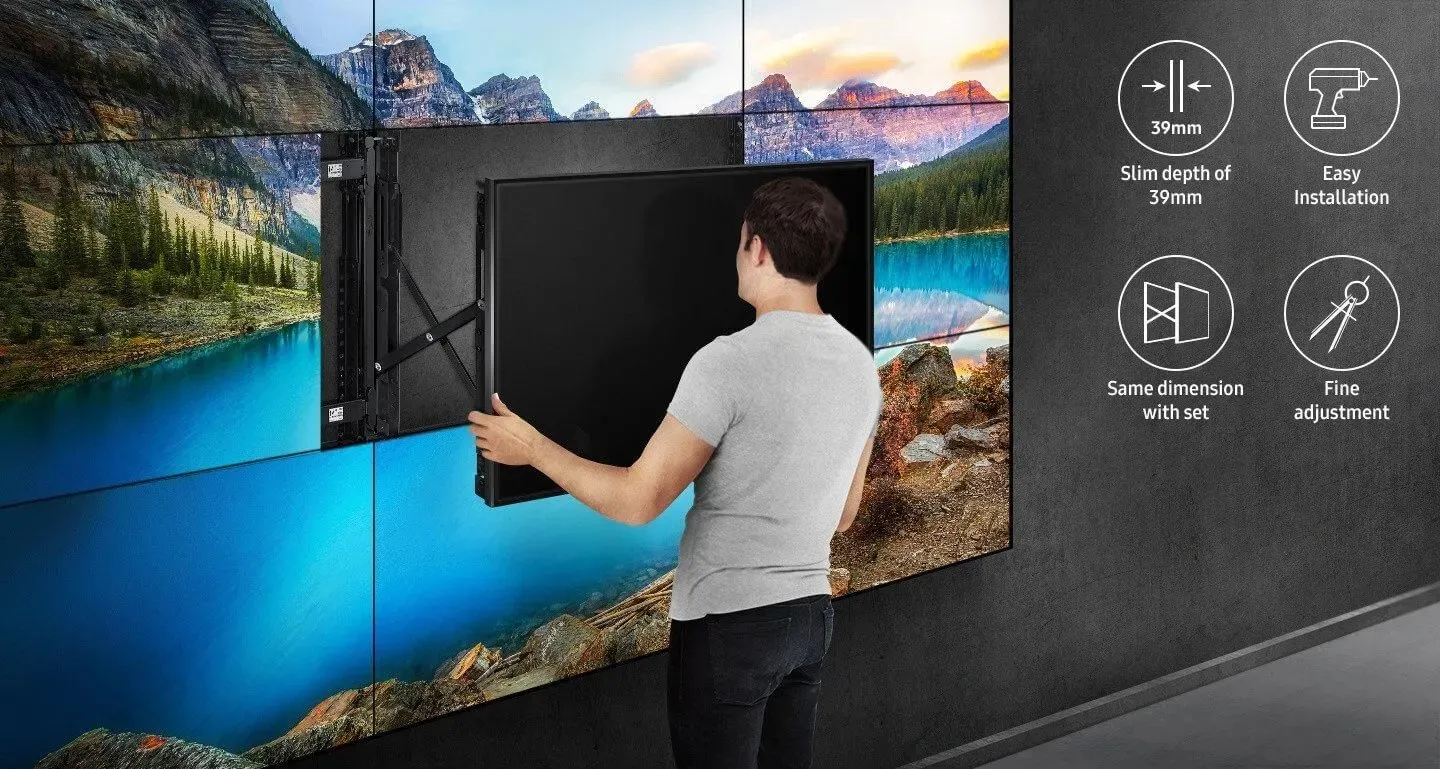
How video walls are built
Building a video wall requires careful planning and the use of suitable technologies. Below are the main stages of building a video wall:
- Selecting the display type: Depending on the intended need and environment, a suitable type of display should be selected. LCD displays are more suitable for outdoor spaces, and LED displays are more suitable for indoor spaces.
- Designing the physical structure: A strong and stable structure must be designed and built for installing the display panels. This structure must be able to bear the weight of the screens and also protect them against environmental factors.
- Choosing the control system: To manage and coordinate the images in a video wall, special control systems are needed to handle the video inputs and display the images without delay and in high quality.
- Connecting and aligning the screens: The display panels must be connected and aligned with precision so that the final image is shown seamlessly and at the desired quality.
- Testing and calibration: After installation and setup, the video wall must be tested and calibrated to ensure proper performance and correct image display.
- Installing content management software: To manage content and update it, special software must be installed to enable centralized management of the displayed content.
Note: One point that can help complete the discussion about video walls is the challenges and limitations of this technology. Although video walls have many advantages, like any other technology they also come with challenges and limitations, some of which are mentioned below.
Challenges and limitations of video walls
These include:
- High costs:One of the main challenges of video walls is their high upfront cost. Purchasing multiple displays, the equipment required to install and operate the video wall, as well as the costs of maintaining and updating the systems, can be expensive for some businesses.
- Energy consumption of video walls:Because of the large number of displays and their high brightness, video walls usually consume a great deal of energy. This issue is considered a challenge especially in environments where energy consumption must be controlled.
- Need for technical expertise:Installing, operating, and maintaining video walls requires technical knowledge and expertise. This may require hiring or training specialized personnel.
- Durability and longevity:Because video wall displays are used continuously and over long periods, they may be exposed to failure. In addition, the failure of one unit in a video wall can negatively affect the quality of the overall displayed image.
- Required space:Installing a video wall requires a large physical space. This can be a limitation, especially in smaller environments.
- Reduced image quality at the edges:In some video walls, the borders between displays may reduce quality or create boundary lines in the image, which can negatively affect the viewer’s visual experience.
Innovative uses and the future of video walls
Despite the challenges, video walls are evolving and moving toward more innovative and creative uses.
Curved and flexible video walls: With advances in technology, video walls can be designed in curved or flexible forms. This capability makes it possible to use them in unusual spaces and with distinctive designs.
Augmented and interactive reality (AR): Combining video walls with augmented reality technology can create new interactive experiences for users.
Optimized energy consumption: New technologies are reducing the energy consumption of video walls, which can help solve one of the most important challenges of these systems.
Improved image quality and resolution: With the development of higher-resolution displays, the image quality of video walls has improved and delivers a better visual experience.
If you would like to request a product or obtain information, fill out the form below so our experts can contact you.
Frequently Asked Questions
Short link https://foreseen.ir/?p=12674
Frequently asked questions
What is a video wall and what is it used for?
A video wall is a set of displays placed next to one another to create one large, integrated screen. This system is commonly used in exhibition centers, conference halls, stores, and advertising spaces to present engaging large-scale content.
What are the advantages of using a video wall compared with large displays?
High image quality: Video walls are made up of smaller displays that together create an image with very high resolution. Flexibility: The screen layout and size can be changed. Longevity and reliability: They are usually designed for continuous use and have a longer lifespan than projectors or conventional displays.
What factors are important when choosing a video wall?
Resolution: Image quality must match the needs of the project. Dimensions and size: They should be selected according to the intended space and the display content. Bezel thickness: The thinner the bezels of the displays, the more seamless the image appears.
Ready for your next event?
Ask FORESEEN’s experts about the rental or purchase price of this product for your desired date.