Targeting out-of-home advertising with artificial intelligence

This article explains how data analysis, audience insight, and dynamic display make out-of-home advertising more targeted with artificial intelligence.
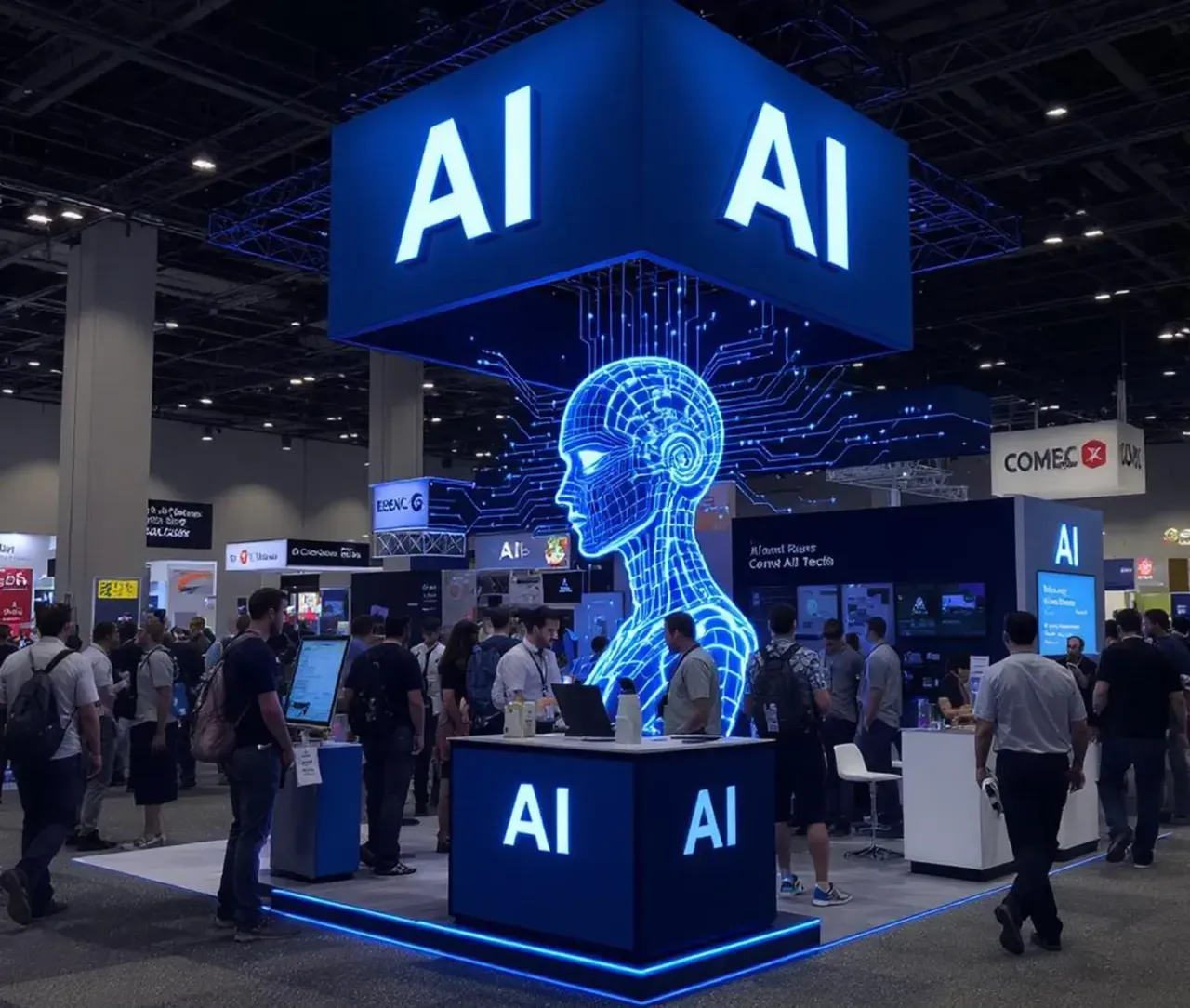
In recent years, the world of out-of-home advertising has undergone a profound transformation. Digital billboards, smart displays, holograms, and interactive showcases are no longer just tools for displaying messages; with the help of artificial intelligence platforms capable of identifying the audience, analyzing their behavior, and displaying the most suitable advertising message at the best time. This is, in fact, targeted out-of-home advertising with artificial intelligence.
This transformation has turned out-of-home advertising from a broad, high-wastage method into a targeted, precise, and profitable system.
The role of artificial intelligence in targeting out-of-home advertising
1. Data analysis and audience understanding
Using cameras, sensors, Wi-Fi, and environmental data, artificial intelligence can identify characteristics such as approximate age, gender, time of presence, facial emotions, and audience behavior.
The result of this data is the display of messages with the highest probability of impact .
Example application:
In shopping malls, smart displays show different advertisements based on the viewer’s gender and age.
2. Real-time and dynamic display (Dynamic Advertising)
Artificial intelligence allows digital billboards to change messages moment by moment .
This system adjusts content based on the following:
- Weather
- Time of day
- Traffic volume
- Nearby events
- Peak shopping times
For example, on hot summer days, an ad for a cold drink is shown, while on rainy days, an umbrella ad is displayed.
3. Increasing engagement through interactive displays
One of the most important applications of artificial intelligence in out-of-home advertising is increasing engagement (Engagement).
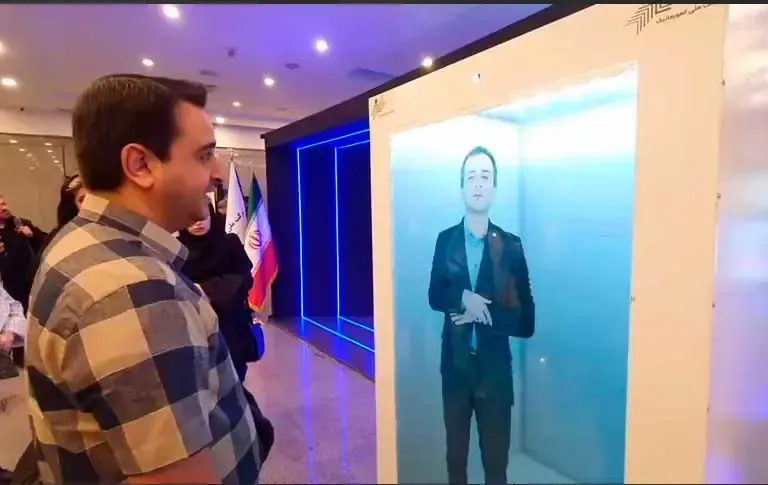
Interactive displays, motion holograms, smart stands, and virtual showcases can, with the help of AI, detect exactly which product the user is looking at and how they are behaving, then change the content accordingly.
Example:
When a person stands in front of the display and pays attention to a specific product, the system shows additional information about that same product.
4. Cost optimization and increased return on investment (ROI)
In traditional methods, out-of-home advertising was usually very expensive, and measuring its performance was difficult.
But artificial intelligence, through precise audience analysis and comprehensive reporting, helps to:
- manage costs more effectively
- reduce ad impressions to irrelevant audiences
- measure campaign performance in real time
This means every rial spent on out-of-home advertising is used more precisely and more intelligently.
5. Combining out-of-home advertising with mobile marketing
Artificial intelligence can even link out-of-home advertising with mobile advertising.
GPS-, Wi-Fi-, and Bluetooth-based systems track user behavior after exposure to the ad and display a complementary ad on their mobile phone.
Example:
A user sees a beverage billboard → a few minutes later, a discount for the same product is shown on their phone.
The future of out-of-home advertising with artificial intelligence
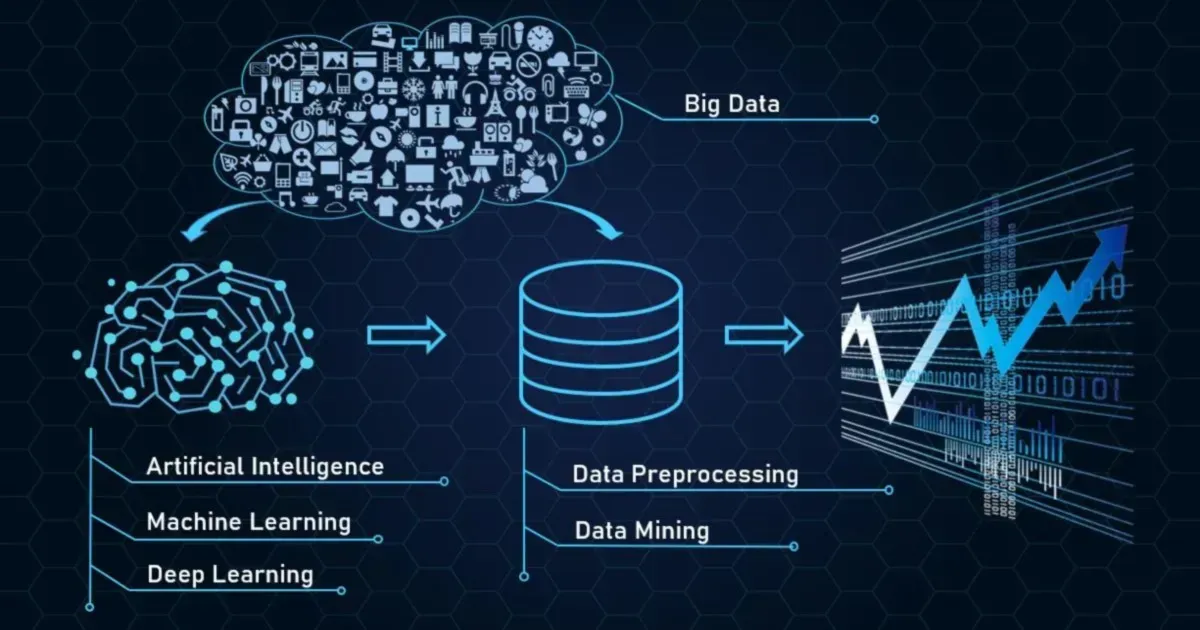
Targeting out-of-home advertising with artificial intelligence in the future will depend on greater interaction between computer vision, machine learning, emotion processing, and big data .
Billboards will soon be able to:
- analyze audience emotions more accurately
- display more personalized messages
- predict purchasing behavior
- integrate information with store systems
- create a completely unique experience
Under such conditions, brands that do not use AI in out-of-home advertising will effectively be left behind in the competition.
How does artificial intelligence improve user experience in out-of-home advertising?
One of the most important advantages of targeting out-of-home advertising with artificial intelligence is creating a compelling and user-friendly experience . When audiences enjoy seeing an advertisement, the likelihood of interaction, purchase, and brand recall becomes much higher.
1. Real-Time Personalization
Artificial intelligence can process environmental and behavioral information within milliseconds and deliver much more precise messages.
This means:
- If the audience is in a hurry, a short and quick message is displayed.
- If they have enough time, the product’s full features are shown.
- If they are with their family, a message related to family shopping is displayed.
This level of personalization creates an experience that was previously not possible in out-of-home advertising.
2. Using emerging technologies to attract attention
Emerging technologies such as virtual showcases, transparent LCDs, touch stands, 3D holograms, motion sensors, and augmented reality (AR) can, with the help of artificial intelligence, analyze user behavior and deliver the best content.
Real-world application example:
At exhibitions and shopping malls, when a person approaches a transparent showcase, artificial intelligence detects their presence and displays dynamic content such as a 3D product rotation.
This type of experience leads to increased user dwell time, brand awareness, and conversion rate .
3. Connecting out-of-home advertising to social media
AI can identify which people are more likely to engage with an advertisement on social media.
Then, using a smart QR Code, NFC, or dynamic links, it directs the audience to a page that has a very high likelihood of being shared.
The advantage of this approach:
- Viral expansion of the advertisement
- Creating a two-way connection between real and digital spaces
- Increasing the rate of organic traffic to the brand’s website or social pages
The role of data mining and artificial intelligence in choosing the right advertising location
Choosing the right location to install a billboard or place a smart display is one of the most important factors in the success of out-of-home campaigns. In the past, location selection was based more on experience and guesswork; today, however, artificial intelligence has made this process scientific and precise .
How does artificial intelligence choose the best location?
- Analyzing high-traffic routes using urban data
- Identifying peak traffic times
- Analyzing the behavior of different audience groups at different hours
- Predicting the highest probability of user engagement with the advertisement
- Identifying advertising blind spots that should be eliminated
In this way, brands can choose the best locations for installing smart displays and avoid unnecessary costs.
Analyzing out-of-home advertising performance with artificial intelligence
In the past, measuring the performance of an out-of-home billboard was almost impossible.
But now, with the help of artificial intelligence, brands can:
- count the number of real viewers
- record how long people look at it
- determine the engagement rate
- analyze post-viewing behavior (Purchase Intention)
- and even predict which version of the advertisement performs better
These analyses make it possible for future campaigns to be executed with much greater accuracy and efficiency .
Why is the future of out-of-home advertising impossible without artificial intelligence?
With the rapid advancement of related technologies such as computer vision, emotion analysis, natural language processing, and smart sensors, out-of-home advertising is moving toward a future in which:
- Every display will have an analytical brain.
- Every billboard will identify its audience.
- Every advertising message will be selected based on user behavior.
As a result, brands that do not enter this field today will be pushed out of competition in the coming years.
Artificial intelligence is no longer an option, but rather a necessity for modern out-of-home campaigns.
Conclusion
Artificial intelligence has transformed out-of-home advertising from a simple, general method into a smart, precise, interactive, and measurable system.
Digital billboards, holograms, smart showcases, and interactive displays, combined with the power of AI, have become tools that decide in real time which message will have the greatest impact on the audience.
This transformation has reshaped the future of out-of-home marketing in an unprecedented way.
Our recommendation at FORESEEN
The company FORESEEN , a provider of smart exhibition and advertising equipment, is ready to offer consultation, sales, and rental of all types of exhibition equipment. To receive free consultation and choose the best dimensions suited to your needs, contact FORESEEN’s experts.
To receive a special offer tailored to your business situation, contact FORESEEN’s consultants right now.
Need consultation for your next event?
FORESEEN specialists help you choose the best equipment and ideas for your brand and space.